Embracing the Ugly Phase: Inside My Intuitive Painting Process in Nokomis, FL
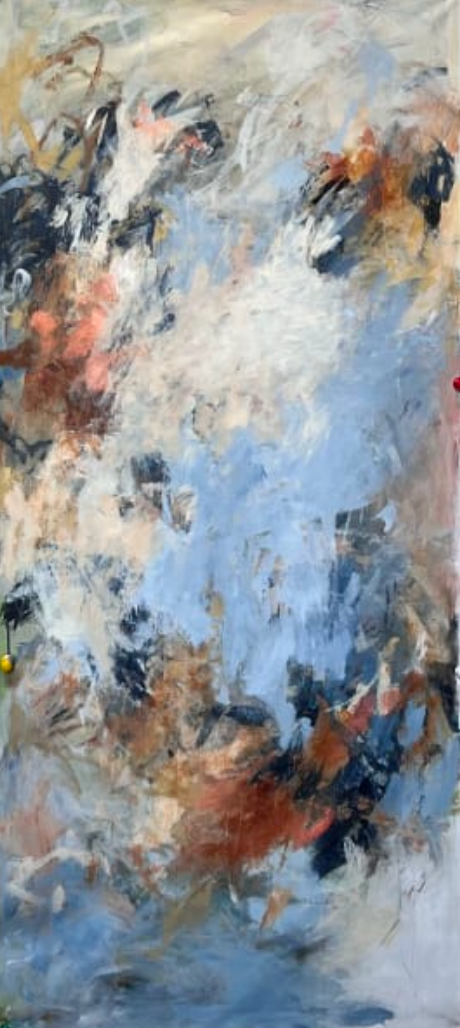
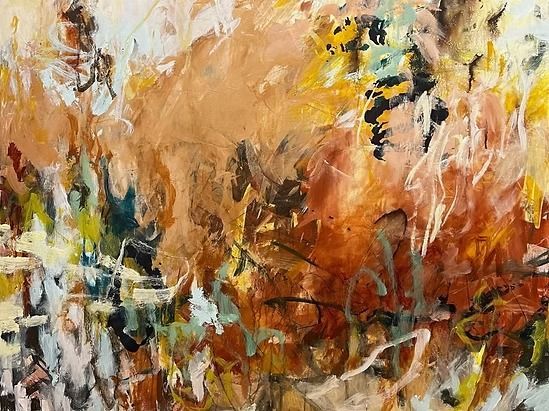
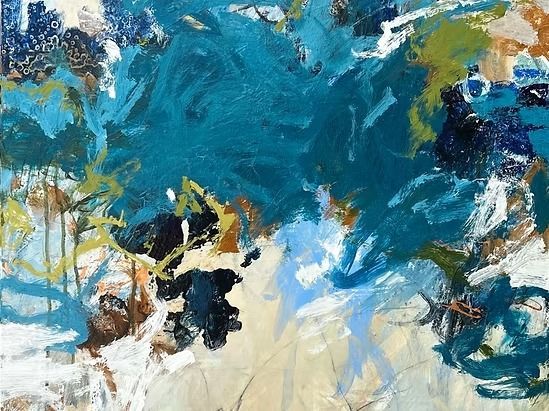
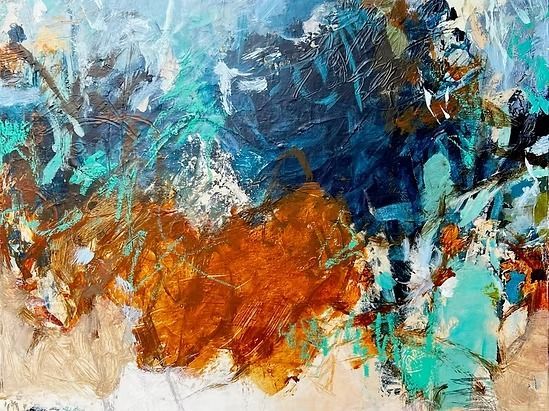
Every abstract expressionist painting passes through what artists call the ugly phase, a necessary stage where layers clash and compositions feel unresolved before the final vision emerges. In my Nokomis studio at 613 Indiana Avenue, this uncomfortable middle ground is where the real work happens, and pushing through it separates finished paintings from abandoned canvases.
How Does Intuitive Painting Differ from Planned Composition?
Intuitive painting follows the body's physical responses rather than a predetermined sketch or color plan.
When I begin a new canvas, I don't start with a finished image in mind. Instead, I respond to what my body needs to express in that moment, letting color choices and mark-making emerge from a sensory dialogue rather than intellectual planning. This approach means each session builds on the previous one, with layers accumulating until the painting signals its own completion.
The process requires trust in uncertainty. A canvas that looks chaotic on Tuesday might reveal its structure by Friday, but only if I stay engaged through the discomfort. Homeowners searching for original contemporary paintings in Nokomis often ask about this method, curious how unplanned work can result in cohesive finished pieces.
What Happens During the Dreaded Ugly Phase?
The ugly phase occurs when early layers conflict with new additions, creating visual tension that hasn't yet resolved into harmony.
This stage typically arrives after the initial excitement fades, when a painting has enough information to feel crowded but not enough resolution to feel complete. Colors might compete rather than complement. Shapes may lack clear relationships. The entire composition can appear muddled or overworked.
Many artists abandon work at this point, mistaking necessary struggle for failure. I've learned that this discomfort is actually a sign of progress. The painting is asking for something specific, and my job is to stay present long enough to discover what that is. Sometimes it needs a bold contrasting layer. Other times it requires subtle adjustments to value or temperature.
The key is continuing to work the surface, adding and subtracting until the energy shifts. For collectors interested in abstract expressionist works in Nokomis, understanding this phase helps explain why each piece carries evidence of its own evolution, with earlier decisions visible beneath the final layers.
When Does a Painting Signal It's Finished?
A painting reaches completion when it generates its own energy and no longer demands additional intervention from the artist.
This moment is unmistakable. The canvas suddenly feels alive and self-sufficient, as if it could exist independently of my continued attention. The visual relationships lock into place, and any further adjustment would diminish rather than enhance the work. I step back and feel contentment rather than the nagging sense that something still needs resolution.
This finish line can't be forced or scheduled. Some paintings resolve in days, while others require weeks of layering and revision. The timeline depends on the complexity of what's emerging and how quickly I can interpret what the canvas needs. Rushing this process results in work that feels incomplete or overworked, missing the vitality that comes from allowing natural resolution.
How Does Florida's Gulf Coast Environment Influence Studio Work?
Working in Nokomis means daily exposure to coastal light, water movement, and atmospheric shifts that directly inform color and compositional choices.
The quality of light filtering into my Indiana Avenue studio changes throughout the day, affecting how I perceive color relationships on canvas. Morning light reveals cool undertones, while afternoon sun emphasizes warmth. This constant variation keeps my eye calibrated to subtle shifts in value and temperature, skills essential for building layered abstract work.
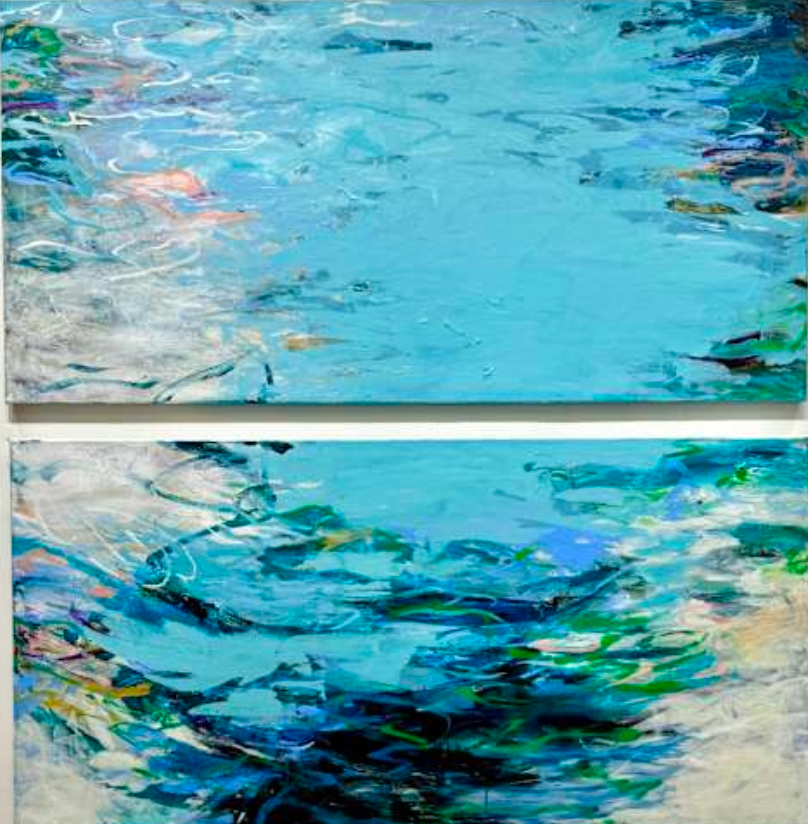
Beyond the studio, time spent on local beaches and waterways provides sensory input that feeds the intuitive process. The rhythm of waves, the way light refracts through water, and the endless horizon all translate into gestural marks and spatial relationships in my paintings. These aren't literal representations but embodied responses to the coastal environment that surrounds daily life here.
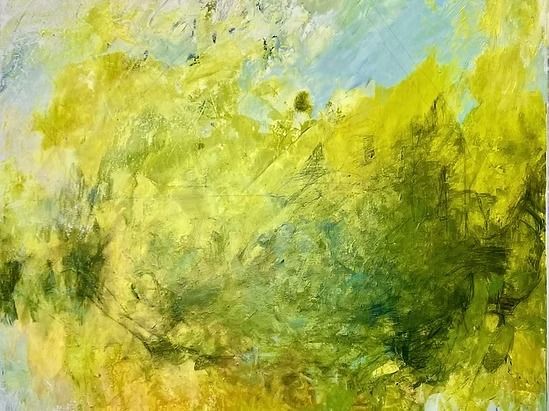
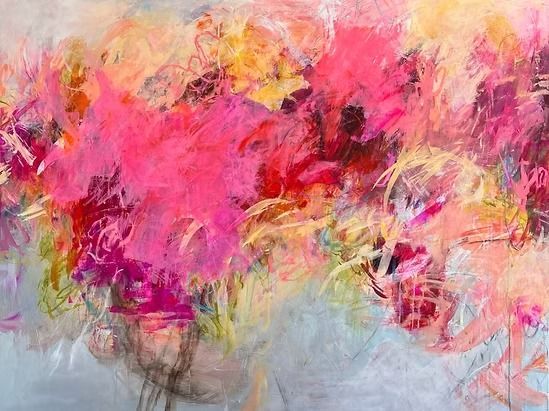
Abstract expressionist painting thrives on this kind of sustained sensory engagement. The work becomes a physical record of living in a specific place, even when the imagery remains non-representational. Collectors recognize this regional authenticity in finished pieces, understanding that the work carries the energy of its origin.
Creating original contemporary art requires commitment to process over outcome, trusting that persistence through uncertainty leads to genuine resolution. If you're drawn to work that reflects this intuitive approach and coastal sensibility, explore the current collection at Tammy Keller Art to see how these paintings evolve from chaos into completion.